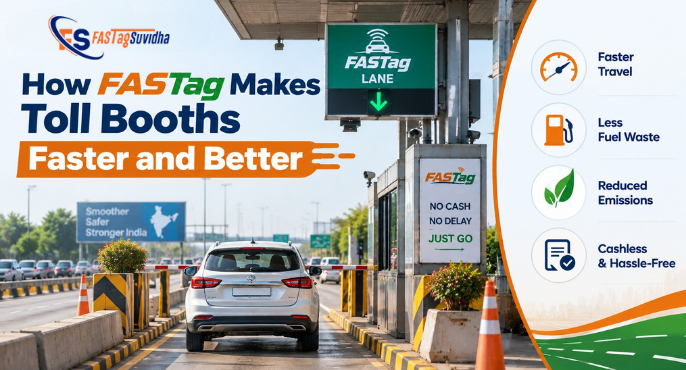
If you have driven on an Indian highway in the last few years, you already know the drill. You slow down near a toll plaza, look for the FASTag lane, and glide through without reaching for your wallet. It feels simple now. But behind that simple moment is a system
Why FASTag Toll Booths Are Better for Everyone
The shift to FASTag toll booth systems was not just about convenience. It solved real, measurable problems for drivers, toll operators, and the broader transport ecosystem.
For daily commuters and long-distance drivers:
- Far less time spent waiting in toll queues
- No need to carry loose change or worry about running out of cash
- Automatic deduction means one less thing to manage while driving
- Digital records of every toll payment, useful for expense tracking
For fleet owners and businesses:
- Faster movement of goods vehicles means quicker deliveries
- Lower fuel consumption since vehicles are not idling in queues
- Easier expense reconciliation across an entire fleet
- Better visibility into toll spending patterns over time
For toll plaza operators:
- Reduced need for cash handling and the staff required to manage it
- Fewer disputes over change or incorrect toll amounts
- Higher throughput at each lane, meaning more vehicles processed per hour
- Real-time data on traffic patterns and toll collection
This is where a well-set-up FASTag toll booth genuinely earns its place. It is not just a convenience feature bolted onto old infrastructure. It rebuilds the whole transaction around speed and accuracy.
FASTag vs the Old Cash System: A Quick Comparison
| Factor | Cash Toll Booth | FASTag Toll Booth |
| Average time per vehicle | 30 to 90 seconds | 2 to 5 seconds |
| Need to stop completely | Yes | No, or minimal slowdown |
| Risk of disputes over change | Common | Rare |
| Record keeping | Paper receipts, easy to lose | Digital, always accessible |
| Staff required per lane | Higher | Lower |
| Fuel wasted in queues | Significant on busy routes | Minimal |
The difference becomes obvious the first time you compare a cash lane and a FASTag lane side by side during peak traffic. One moves in a steady flow. The other backs up fast.
The Bigger Impact: Less Fuel, Less Pollution
Here is something that often gets overlooked. Every minute a vehicle spends idling at a toll booth is a minute of fuel burned for zero distance covered. On busy national highways, this added up to a real environmental cost before FASTag became widespread.
With electronic toll collection through FASTag, vehicles spend far less time idling. Less idling means less fuel wasted and fewer emissions released into the air near toll plazas, which are often close to towns and residential areas. It is a small change per vehicle, but at national scale, it matters.
Setting Up FASTag at a Toll Booth: What Operators Should Know
If you manage a toll plaza and are still relying heavily on manual cash lanes, moving toward a proper FASTag toll booth setup is worth serious consideration. A few things typically need attention during this shift:
- Reliable RFID scanners positioned correctly at each lane
- Boom barriers integrated with the scanning system for instant response
- A stable network connection to verify accounts and process deductions in real time
- Backup processes for vehicles without a valid or working FASTag
- Staff trained to handle exceptions, not routine cash counting
Getting this right reduces bottlenecks and keeps traffic moving smoothly, which is the entire point of switching in the first place. If you are exploring toll booth solutions built around FASTag, it helps to work with a provider that understands both the hardware and the compliance side of things. You can look at how FastagSuvidha approaches toll booth FASTag setup if you want a sense of what a complete setup looks like in practice.
Common Problems Drivers Face and How to Avoid Them
Even with a well-run FASTag toll booth, things can occasionally go wrong. Most issues come down to a few predictable causes.
Low balance is the most common one. If your linked account or wallet does not have enough funds, the tag will not work and you may be charged a penalty at the booth. Keeping your FASTag linked to auto-recharge or checking your balance before a long trip avoids this entirely.
Tag damage or poor placement is another frequent issue. A tag that is peeling off or stuck at the wrong angle on your windshield may not scan properly. Following the manufacturer’s placement guide matters more than people expect.
Vehicle class mismatch can also cause trouble. Your FASTag is registered against your vehicle’s specific class, and using it on a different vehicle type can lead to incorrect toll deductions or rejection at the booth.
Is FASTag Mandatory in India?
Yes, FASTag has been made mandatory for most four-wheelers and commercial vehicles using national highways in India. Vehicles without a valid FASTag are typically charged double the toll amount at electronic toll plazas, which makes having one both a compliance requirement and a practical necessity for regular drivers.
Frequently Asked Questions
1. How long does a FASTag toll booth transaction actually take? Most transactions complete in 2 to 5 seconds once the RFID scanner reads your tag. Your vehicle does not need to stop completely in most cases, just slow down enough for the scan to register before the barrier lifts.
2. What happens if my FASTag fails to scan at the booth? If the scanner cannot read your tag, staff at the booth will usually ask you to show the tag manually or process the toll another way. It is a good idea to keep some backup payment method handy for such situations.
3. Can one FASTag be used across different toll plazas in India? Yes, a single FASTag works at toll plazas across the country, not just in one state or region. It is linked to the National Electronic Toll Collection network, so it works wherever that system is active.
4. How do I know if enough balance has been deducted correctly? You will typically get an SMS or app notification immediately after the deduction happens. You can also check your FASTag account statement online to review every past transaction with the date, amount, and toll plaza name.
5. Does FASTag work the same way for commercial fleet vehicles? Yes, commercial vehicles use FASTag the same way, though tags are registered under the correct vehicle class. Fleet owners often manage multiple tags together for easier tracking and expense reporting across their vehicles.
6. Why do some toll booths still have cash lanes alongside FASTag lanes? A few cash lanes are usually kept for vehicles without a working FASTag, out-of-state or exempted vehicles, or situations where a manual review is needed. Most traffic, though, is expected to move through the FASTag lanes.
Final Thoughts
FASTag has changed what a toll booth actually looks like in practice. Queues that once stretched for minutes now clear in seconds, fuel that used to burn while idling gets saved, and toll operators can run their plazas with fewer disputes and better data.
Whether you are a driver who just wants a smoother highway trip, or an operator planning to modernize a toll plaza, understanding how a FASTag toll booth works helps you make better decisions around it.
If you are looking to set up or upgrade a toll booth with a reliable FASTag system, take a look at FastagSuvidha’s toll booth FASTag solutions to see how the setup process works from start to finish.
Meta Title: How FASTag Makes Toll Booths Faster and Better
Meta Description: See how FASTag toll booth systems cut waiting time, reduce fuel waste, and make highway travel smoother for drivers and toll operators alike.
Suggested URL Slug: /blog/how-fastag-makes-toll-booths-faster-and-better
How FASTag Makes Toll Booths Faster and Better: A Complete Guide
Last updated: September 2026
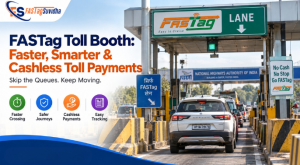
If you have driven on an Indian highway in the last few years, you already know the drill. You slow down near a toll plaza, look for the FASTag lane, and glide through without reaching for your wallet. It feels simple now. But behind that simple moment is a system that has quietly changed how toll booths work across the country.
In this post, we will look at how FASTag actually improves toll booth operations, what it means for drivers and fleet owners, and why more toll plazas are leaning on it every year. Whether you are a daily commuter, a fleet manager, or someone who runs a toll booth, this should answer most of your questions.
What Was Wrong With Toll Booths Before FASTag?
Before FASTag became common, toll booths worked mostly on cash. Every vehicle had to stop, the driver handed over cash, the staff counted it, gave change, and printed a receipt. That process took anywhere from 30 seconds to a couple of minutes per vehicle.
Multiply that by thousands of vehicles a day, and you get the traffic jams that were once a normal part of highway travel in India. Long queues at toll plazas were not just annoying. They wasted fuel, increased pollution, and added hours to long-distance trips.
There was also the human side of it. Toll staff had to manage cash, deal with disputes over change, and work through constant vehicle flow with very little room for error. A single slow transaction could back up traffic for kilometers during peak hours.
How Does a FASTag Toll Booth Actually Work?
A FASTag toll booth uses Radio Frequency Identification, or RFID, to read a tag stuck on your vehicle’s windshield. As your vehicle approaches the toll lane, a scanner reads the tag and deducts the toll amount directly from a linked prepaid account or bank account.
Here is the process broken down step by step:
- The FASTag is linked to your bank account, prepaid wallet, or NPCI-backed FASTag account.
- As your vehicle nears the toll plaza, an RFID reader mounted at the booth scans the tag.
- The system verifies the tag details and checks the account balance.
- The toll amount is deducted automatically, usually within seconds.
- The boom barrier lifts, and you drive through without stopping.
- An SMS or app notification confirms the deduction, so you always have a record.
No cash changes hands. No one has to search for change. The entire transaction happens while your vehicle is still moving, or at most slowing down briefly.
Why FASTag Toll Booths Are Better for Everyone
The shift to FASTag toll booth systems was not just about convenience. It solved real, measurable problems for drivers, toll operators, and the broader transport ecosystem.
For daily commuters and long-distance drivers:
- Far less time spent waiting in toll queues
- No need to carry loose change or worry about running out of cash
- Automatic deduction means one less thing to manage while driving
- Digital records of every toll payment, useful for expense tracking
For fleet owners and businesses:
- Faster movement of goods vehicles means quicker deliveries
- Lower fuel consumption since vehicles are not idling in queues
- Easier expense reconciliation across an entire fleet
- Better visibility into toll spending patterns over time
For toll plaza operators:
- Reduced need for cash handling and the staff required to manage it
- Fewer disputes over change or incorrect toll amounts
- Higher throughput at each lane, meaning more vehicles processed per hour
- Real-time data on traffic patterns and toll collection
This is where a well-set-up FASTag toll booth genuinely earns its place. It is not just a convenience feature bolted onto old infrastructure. It rebuilds the whole transaction around speed and accuracy.
FASTag vs the Old Cash System: A Quick Comparison
| Factor | Cash Toll Booth | FASTag Toll Booth |
| Average time per vehicle | 30 to 90 seconds | 2 to 5 seconds |
| Need to stop completely | Yes | No, or minimal slowdown |
| Risk of disputes over change | Common | Rare |
| Record keeping | Paper receipts, easy to lose | Digital, always accessible |
| Staff required per lane | Higher | Lower |
| Fuel wasted in queues | Significant on busy routes | Minimal |
The difference becomes obvious the first time you compare a cash lane and a FASTag lane side by side during peak traffic. One moves in a steady flow. The other backs up fast.
The Bigger Impact: Less Fuel, Less Pollution
Here is something that often gets overlooked. Every minute a vehicle spends idling at a toll booth is a minute of fuel burned for zero distance covered. On busy national highways, this added up to a real environmental cost before FASTag became widespread.
With electronic toll collection through FASTag, vehicles spend far less time idling. Less idling means less fuel wasted and fewer emissions released into the air near toll plazas, which are often close to towns and residential areas. It is a small change per vehicle, but at national scale, it matters.
Setting Up FASTag at a Toll Booth: What Operators Should Know
If you manage a toll plaza and are still relying heavily on manual cash lanes, moving toward a proper FASTag toll booth setup is worth serious consideration. A few things typically need attention during this shift:
- Reliable RFID scanners positioned correctly at each lane
- Boom barriers integrated with the scanning system for instant response
- A stable network connection to verify accounts and process deductions in real time
- Backup processes for vehicles without a valid or working FASTag
- Staff trained to handle exceptions, not routine cash counting
Getting this right reduces bottlenecks and keeps traffic moving smoothly, which is the entire point of switching in the first place. If you are exploring toll booth solutions built around FASTag, it helps to work with a provider that understands both the hardware and the compliance side of things. You can look at how FastagSuvidha approaches toll booth FASTag setup if you want a sense of what a complete setup looks like in practice.
Common Problems Drivers Face and How to Avoid Them
Even with a well-run FASTag toll booth, things can occasionally go wrong. Most issues come down to a few predictable causes.
Low balance is the most common one. If your linked account or wallet does not have enough funds, the tag will not work and you may be charged a penalty at the booth. Keeping your FASTag linked to auto-recharge or checking your balance before a long trip avoids this entirely.
Tag damage or poor placement is another frequent issue. A tag that is peeling off or stuck at the wrong angle on your windshield may not scan properly. Following the manufacturer’s placement guide matters more than people expect.
Vehicle class mismatch can also cause trouble. Your FASTag is registered against your vehicle’s specific class, and using it on a different vehicle type can lead to incorrect toll deductions or rejection at the booth.
Is FASTag Mandatory in India?
Yes, FASTag has been made mandatory for most four-wheelers and commercial vehicles using national highways in India. Vehicles without a valid FASTag are typically charged double the toll amount at electronic toll plazas, which makes having one both a compliance requirement and a practical necessity for regular drivers.
Frequently Asked Questions
Most transactions complete in 2 to 5 seconds once the RFID scanner reads your tag. Your vehicle does not need to stop completely in most cases, just slow down enough for the scan to register before the barrier lifts.
If the scanner cannot read your tag, staff at the booth will usually ask you to show the tag manually or process the toll another way. It is a good idea to keep some backup payment method handy for such situations.
Yes, a single FASTag works at toll plazas across the country, not just in one state or region. It is linked to the National Electronic Toll Collection network, so it works wherever that system is active.
You will typically get an SMS or app notification immediately after the deduction happens. You can also check your FASTag account statement online to review every past transaction with the date, amount, and toll plaza name.
Yes, commercial vehicles use FASTag the same way, though tags are registered under the correct vehicle class. Fleet owners often manage multiple tags together for easier tracking and expense reporting across their vehicles.
A few cash lanes are usually kept for vehicles without a working FASTag, out-of-state or exempted vehicles, or situations where a manual review is needed. Most traffic, though, is expected to move through the FASTag lanes.
Final Thoughts
FASTag has changed what a toll booth actually looks like in practice. Queues that once stretched for minutes now clear in seconds, fuel that used to burn while idling gets saved, and toll operators can run their plazas with fewer disputes and better data.
Whether you are a driver who just wants a smoother highway trip or an operator planning to modernize a toll plaza, understanding how a FASTag toll booth works helps you make better decisions around it.
If you are looking to set up or upgrade a toll booth with a reliable FASTag system, take a look at FastagSuvidha’s toll booth FASTag solutions to see how the setup process works from start to finish.