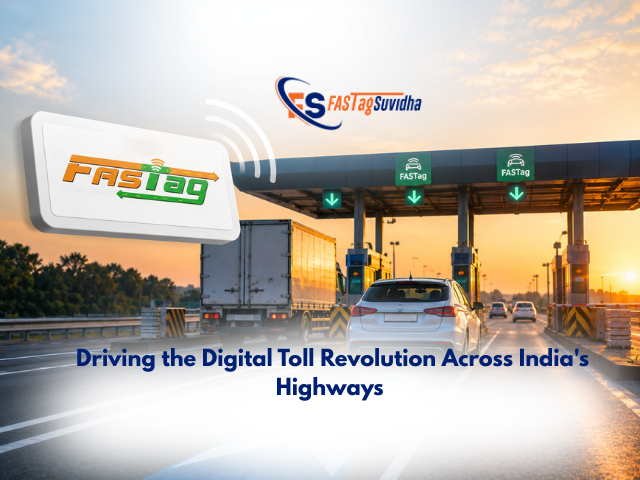
India’s transportation infrastructure is undergoing a significant digital transformation, and FASTag has emerged as one of the most impactful innovations in the highway ecosystem. By enabling automatic toll payments through RFID technology, FASTag has simplified the travel experience for millions of vehicle owners while improving efficiency across the nation’s road network.
What once required long queues, cash transactions, and waiting time at toll plazas has now become a seamless digital process. As FASTag adoption continues to rise, India is moving closer to a fully automated and intelligent toll collection system that benefits travelers, transporters, fleet operators, and highway authorities alike.
Quick Highlights
✔ FASTag adoption continues to grow rapidly across India
✔ Digital toll transactions now dominate highway payments
✔ Waiting times at toll plazas have significantly reduced
✔ Transport and logistics operations are becoming more efficient
✔ India is progressing toward a smarter and more connected transportation ecosystem
Understanding FASTag and Its Growing Adoption
FASTag is an electronic toll collection system that uses Radio Frequency Identification (RFID) technology to automatically deduct toll charges from a linked account whenever a vehicle passes through a toll plaza.
The widespread implementation of FASTag has transformed toll collection from a manual process into a digital and automated system. Today, millions of private vehicles, commercial trucks, buses, and fleet vehicles rely on FASTag for hassle-free travel on national highways.
Its growing popularity reflects India’s broader commitment to digital payments, smart mobility solutions, and infrastructure modernization.
Key Trends Driving FASTag Growth
Several factors are contributing to the rapid increase in FASTag usage across the country:
Government-Led Digital Initiatives
The promotion of digital payment systems and cashless transactions has encouraged greater FASTag adoption among vehicle owners.
Expansion of Highway Infrastructure
As India’s highway network continues to expand, the need for efficient toll management systems becomes increasingly important.
Faster Traffic Movement
FASTag significantly reduces congestion at toll plazas by eliminating manual payment processes.
Fuel and Time Savings
Reduced waiting times help vehicles consume less fuel while improving overall travel efficiency.
Increased User Awareness
Growing awareness among drivers and transport businesses has accelerated FASTag acceptance nationwide.
Why FASTag Matters for Vehicle Owners
FASTag offers several practical benefits that improve the overall highway travel experience.
Cashless Convenience
Drivers no longer need to carry cash or worry about exact change at toll booths.
Faster Highway Travel
Automatic toll deduction allows vehicles to pass through dedicated FASTag lanes with minimal delay.
Real-Time Transaction Tracking
Users can monitor toll deductions and account balances through linked digital platforms.
Improved Travel Efficiency
Less waiting time translates into smoother journeys and better time management.
Impact on India’s Toll Collection System
The rise of FASTag is fundamentally changing how toll collection operates across the country.
Before FASTag
• Manual toll collection
• Cash-based transactions
• Long queues at toll plazas
• Higher operational costs
After FASTag
• Automated toll collection
• Digital payments
• Faster traffic movement
• Improved transparency and efficiency
This shift is creating a more reliable and technology-driven highway infrastructure for India.
FASTag’s Impact on Transport and Logistics
For transport companies and fleet operators, FASTag offers benefits that extend far beyond convenience.
Reduced Truck Delays
Commercial vehicles spend less time waiting at toll plazas, resulting in quicker transit times.
Lower Fuel Consumption
Reduced idling at toll booths helps lower fuel expenses across large fleets.
Better Route Planning
Predictable travel times improve scheduling accuracy and delivery planning.
Improved Fleet Productivity
Time saved during every trip contributes to greater operational efficiency and profitability.
For logistics businesses managing hundreds of trips each month, these improvements can create substantial long-term savings.
Benefits of FASTag Adoption
For Individual Drivers
• Faster highway travel
• Cashless toll payments
• Enhanced convenience
• Easy account management
For Transport Businesses
• Increased fleet efficiency
• Reduced operational delays
• Lower fuel costs
• Improved route optimization
For the Nation
• Reduced traffic congestion
• Greater transparency in toll collection
• Improved infrastructure management
• Stronger digital payment ecosystem
Future of FASTag in India
The future of FASTag extends beyond simple toll collection. As India continues building a smart mobility ecosystem, FASTag is expected to play a larger role in connected transportation systems.
Potential future developments include:
• Advanced toll automation technologies
• AI-powered traffic management systems
• Integrated digital mobility payments
• Smart transportation analytics
• Enhanced highway monitoring and planning
These innovations will help create a more efficient, data-driven, and user-friendly transportation network.
Expert Perspective
The success of FASTag demonstrates how digital technology can solve real-world transportation challenges at scale. Beyond enabling cashless toll payments, FASTag is helping modernize India’s logistics infrastructure, improve traffic flow, and support economic growth.
As adoption continues to rise, FASTag will remain a critical component of India’s journey toward smarter, faster, and more connected mobility solutions.
FAQs
FASTag is an RFID-based electronic toll collection system that automatically deducts toll charges from a linked account.
FASTag reduces waiting time at toll plazas, enables cashless transactions, and improves highway efficiency.
It allows vehicles to pass through toll lanes quickly without stopping for manual payments.
Yes, FASTag is mandatory for most vehicles traveling on national highways.
The biggest advantage is faster and smoother travel through automated toll payments.
Simplifying FASTag Management for Modern Highway Travel
FASTag has transformed the way India manages toll collection, making highway travel faster, more convenient, and increasingly efficient. As digital toll infrastructure continues to expand, vehicle owners, transporters, and fleet operators are benefiting from reduced waiting times, smoother journeys, and improved operational efficiency.
However, effective FASTag usage goes beyond simply having a tag attached to a vehicle. Managing FASTag accounts, tracking transactions, resolving toll-related issues, checking balances, and staying updated with toll payment requirements are equally important for a hassle-free travel experience.
This is where Fastag Suvidha helps. Designed to support individual vehicle owners, commercial drivers, transport businesses, and fleet operators, FastagSuvidha provides easy access to FASTag-related services, helping users manage their toll payment requirements more efficiently. From FASTag assistance and account-related support to simplifying day-to-day FASTag management, the platform aims to make digital highway travel more convenient and user-friendly.
As India’s transportation ecosystem continues its digital transformation, solutions like FastagSuvidha play an important role in helping users navigate the evolving world of electronic toll collection with greater confidence and convenience.