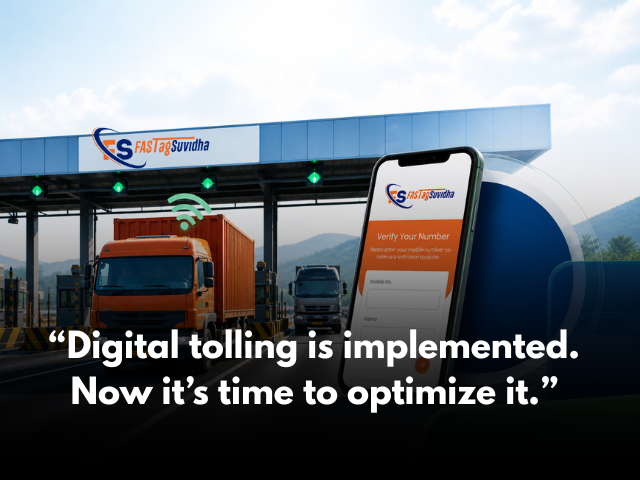
India’s transition toward a fully digital toll collection system continues to evolve, and the extension of the FASTag deadline reflects a pragmatic approach to large-scale implementation. By allowing an additional 30 days for mandatory FASTag lanes, authorities acknowledged a critical reality: adoption at scale requires time, alignment, and operational readiness across all stakeholders.
While the FASTag system has already reshaped highway travel through RFID-enabled cashless payments, this extension highlights that real-world execution, especially in a country as vast and diverse as India, must balance speed with stability.
Understanding the Operational Impact
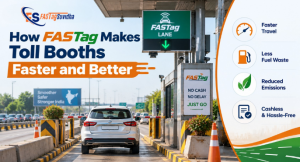
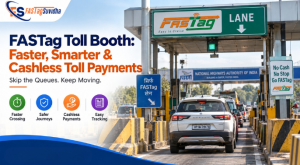
The FASTag ecosystem is designed to reduce friction at toll plazas by enabling seamless, contactless transactions. In practice, it has significantly improved:
- Traffic flow across national highways
- Turnaround time for vehicles
- Efficiency in toll collection processes
However, the deadline extension indicates that infrastructure, user readiness, and supply chains were still stabilizing at the ground level. Rather than forcing a rushed transition, the phased approach ensured smoother integration into daily operations.
FASTag Benefits for Logistics and Transport Businesses
For the logistics sector, FASTag is not just a payment mechanism—it is an operational enabler.
A well-functioning FASTag system contributes to:
- Reduced waiting time at toll plazas
- Lower fuel consumption caused by idling
- Improved delivery timelines and route optimization
- Greater predictability in trip planning
For fleet operators managing multiple vehicles, even marginal time savings at each toll plaza can translate into significant efficiency gains at scale. The deadline extension provided businesses with the flexibility to align their processes without disrupting operations.
Persistent Challenges in Toll Operations
Despite widespread adoption, several challenges continue to affect the efficiency of toll operations:
- Ambiguity around FASTag lane rules and penalties
- Incorrect usage leading to tag errors or blacklisting
- Limited awareness of proper processes
- Occasional inconsistencies in toll plaza execution
These issues reveal a gap between system design and on-ground usage, where the intended seamless experience is not always fully realized.
The Gap Between Adoption and Usability
The FASTag system in India has achieved scale, but usability remains a key concern, especially for businesses managing multiple vehicles.
Users often face challenges such as:
- Handling multiple FASTags across vehicles
- Tracking transactions and maintaining balances
- Monitoring real-time tag status
- Managing exceptions or errors during journeys
This is where many transporters and fleet operators begin to feel operational pressure. Without a structured way to manage FASTag activities, even a well-designed system can lead to inefficiencies.
From FASTag Usage to FASTag Management
As the ecosystem matures, the real shift is happening from simply using FASTag to managing it efficiently.
In practical terms, users are no longer just looking for a tag-they are looking for:
- Better visibility into toll deductions
- Simpler ways to manage multiple vehicles
- Reduced dependency on scattered systems
- Faster resolution of day-to-day issues
This evolving need has led to the rise of more organized, platform-driven approaches to FASTag management.
Where Fastag Suvidha Fits into the Ecosystem
As FASTag adoption scales across individual users and large fleets, the complexity of managing it increases significantly. What begins as a simple toll payment solution gradually turns into an operational layer that requires visibility, coordination, and control.
This is where platforms like Fastag Suvidha fit naturally within the ecosystem.
Rather than functioning as just another service touchpoint, it reflects a more structured approach to FASTag management, addressing the gaps that emerge when users deal with multiple vehicles, fragmented systems, and limited operational clarity.
In practical terms, this means enabling users to:
- Maintain better oversight of toll transactions across vehicles
- Reduce dependency on multiple banks or disconnected interfaces
- Bring consistency to how FASTag-related activities are handled daily
- Minimize disruptions caused by balance issues, errors, or lack of tracking
For transporters and businesses operating at scale, these improvements are not just about convenience-they directly influence efficiency, planning accuracy, and cost control.
What makes such platforms relevant is not the functionality alone, but the role they play in organizing an otherwise scattered experience into a more predictable and manageable workflow.
In a system designed for speed, this layer of clarity becomes equally important.
Beyond Adoption to Smarter Operations
The extension of the FASTag deadline was not a delay-it was a necessary step toward ensuring that the system could function effectively at scale.
Today, FASTag is firmly embedded in India’s highway infrastructure. But the real opportunity lies beyond adoption-in how efficiently it is managed and integrated into daily operations.
As logistics and mobility continue to evolve, the focus will increasingly shift toward smarter, more organized systems that reduce friction and improve visibility.
Because in a fast-moving environment, efficiency is no longer defined by speed alone-it is defined by how seamlessly systems work together.